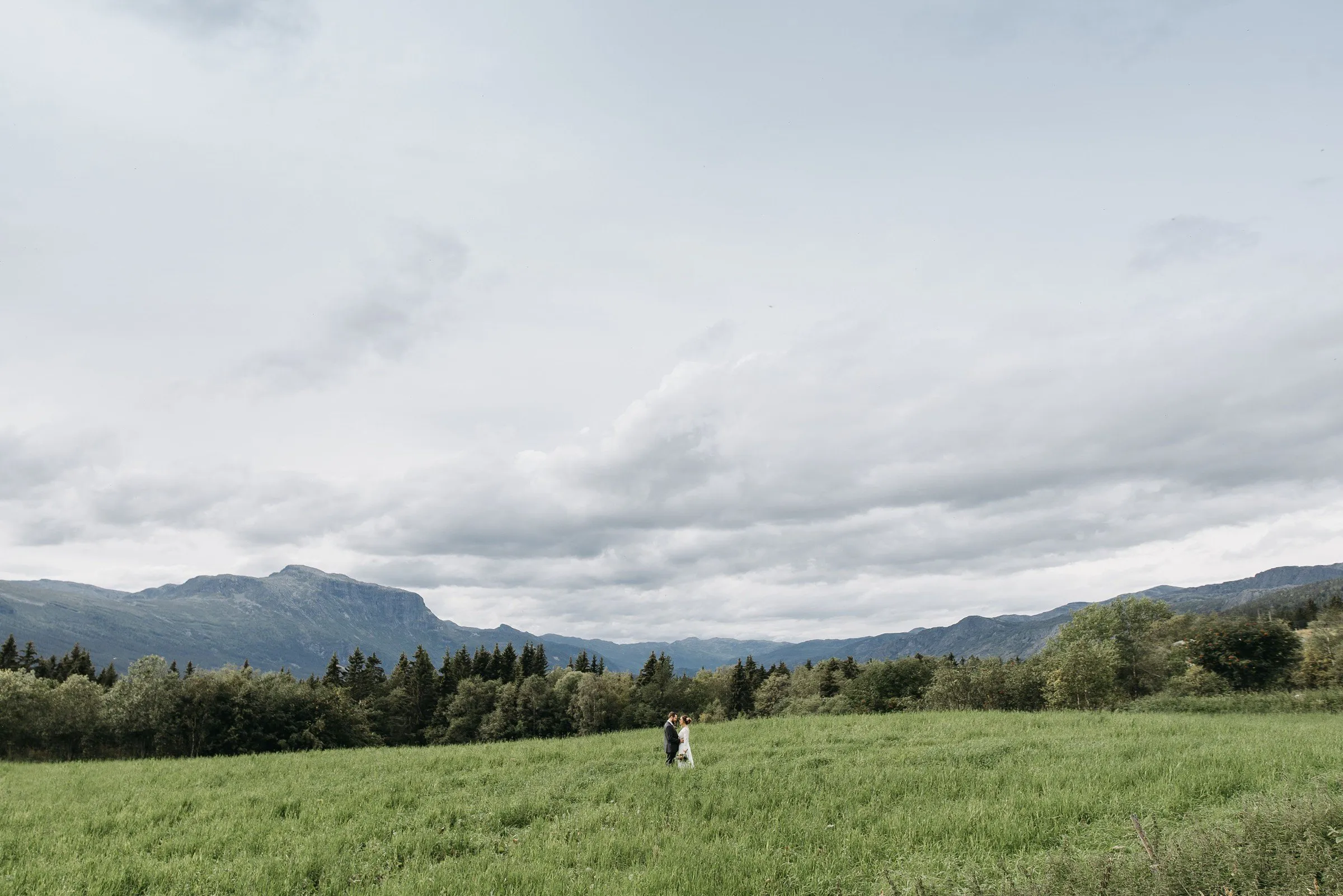
Weddings in the fells, photographed quietly.
Maren Brantholm photographs 26 weddings a year across the Lake District and the north, plus a few in the mountains of western Norway. Your gallery arrives in 3 to 6 weeks.
★ 4.9 from 142 couples · 240 weddings since 2014 · Now booking 2027
-
Your gallery in 3 to 6 weeks
Every photo colour-graded by hand. Late gallery? Your album is on us.
-
Two cameras, always
Dual card slots and a backup body on every job. Nothing exists in one place.
-
25% to hold your date
The balance is due four weeks before the day. No hidden travel or print fees.
What would you like photographed?
Weddings are most of the year. Between seasons: elopements, interiors and the occasional landscape series.
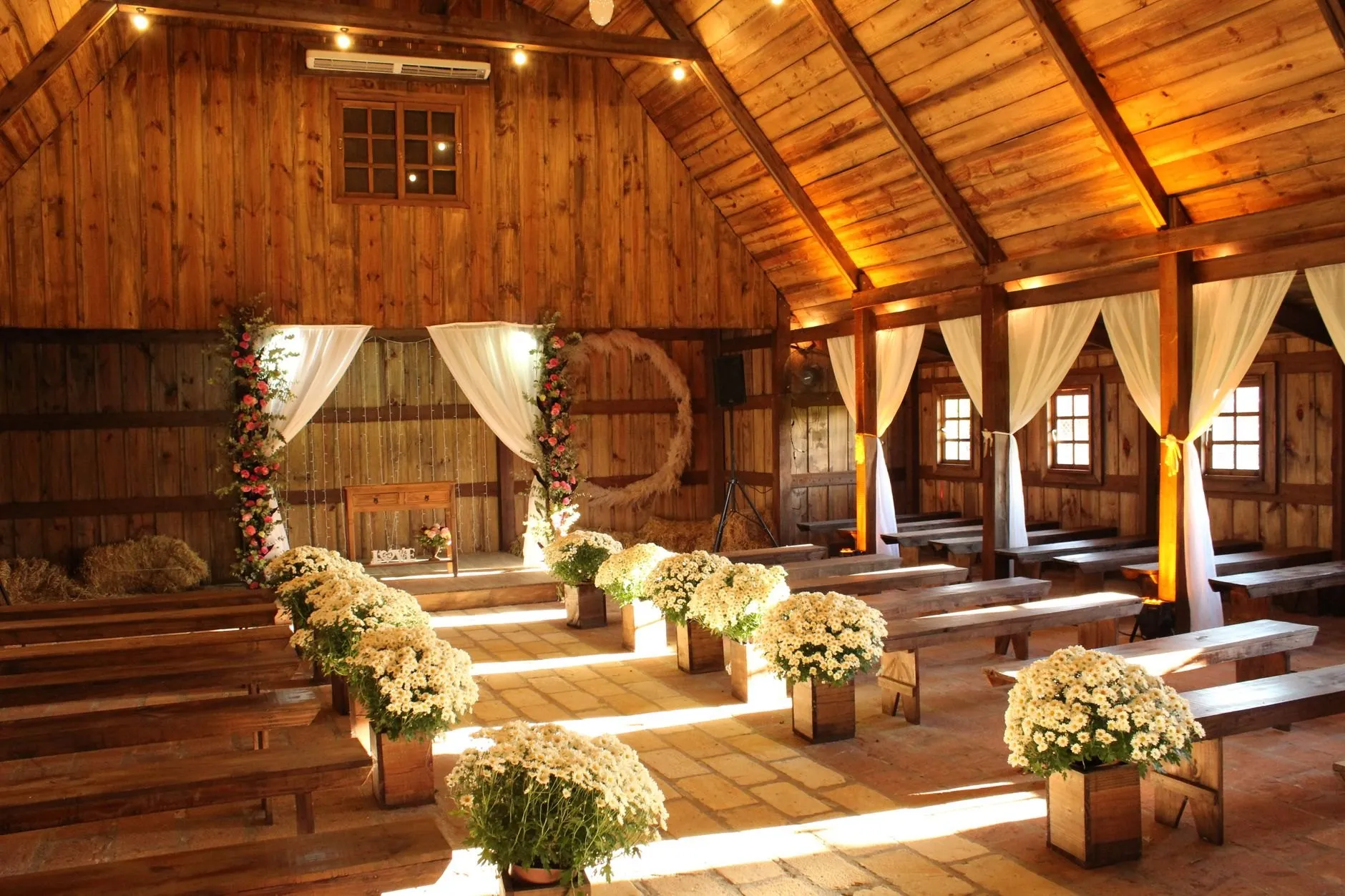
Full-day wedding
From £2,650
Ten hours, from the first coffee in the morning to the first dance, with a 30-page lay-flat album included.
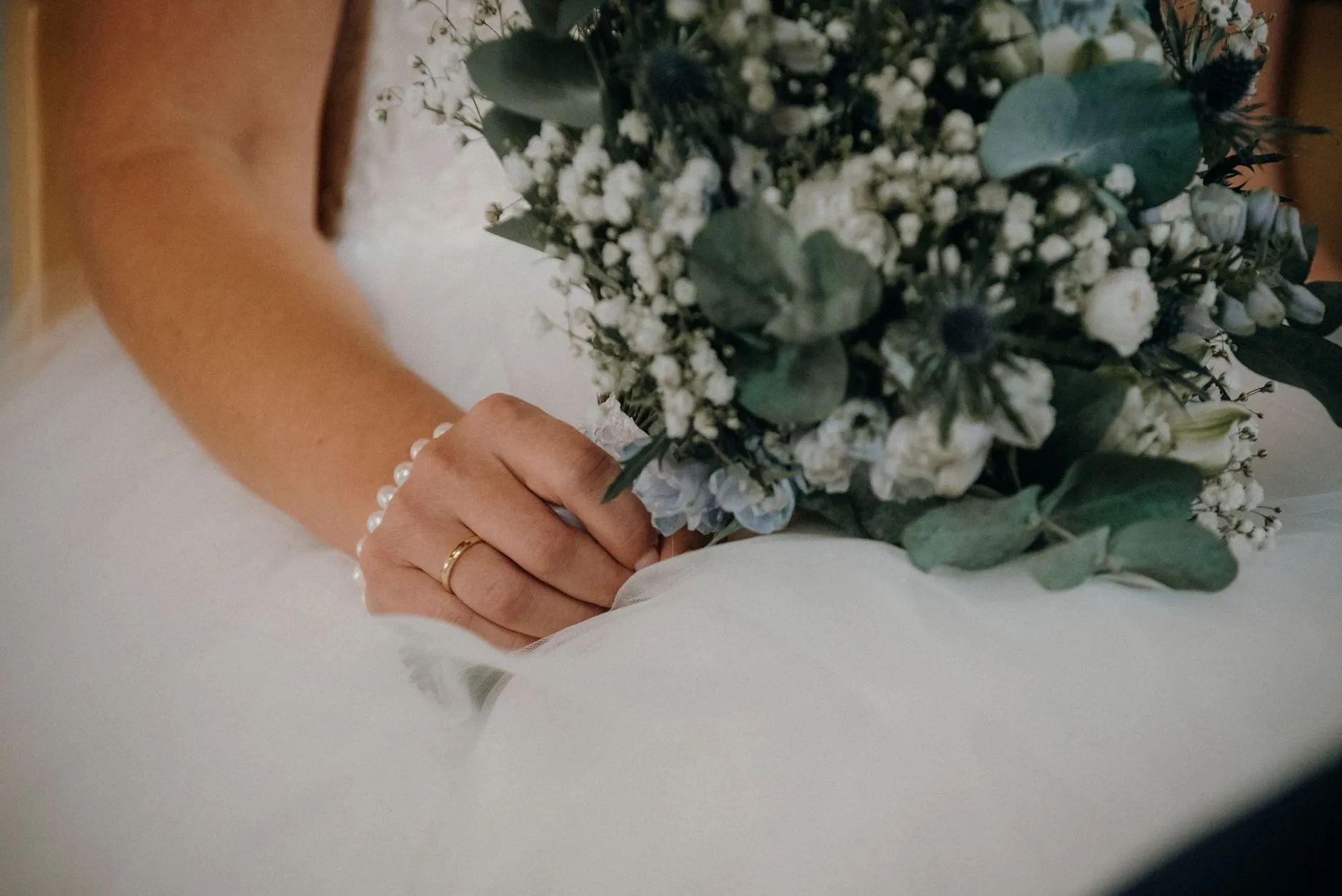
Half-day wedding
From £1,650
Five hours from getting ready through the speeches. Right for smaller weddings, town-hall ceremonies and long lunches.
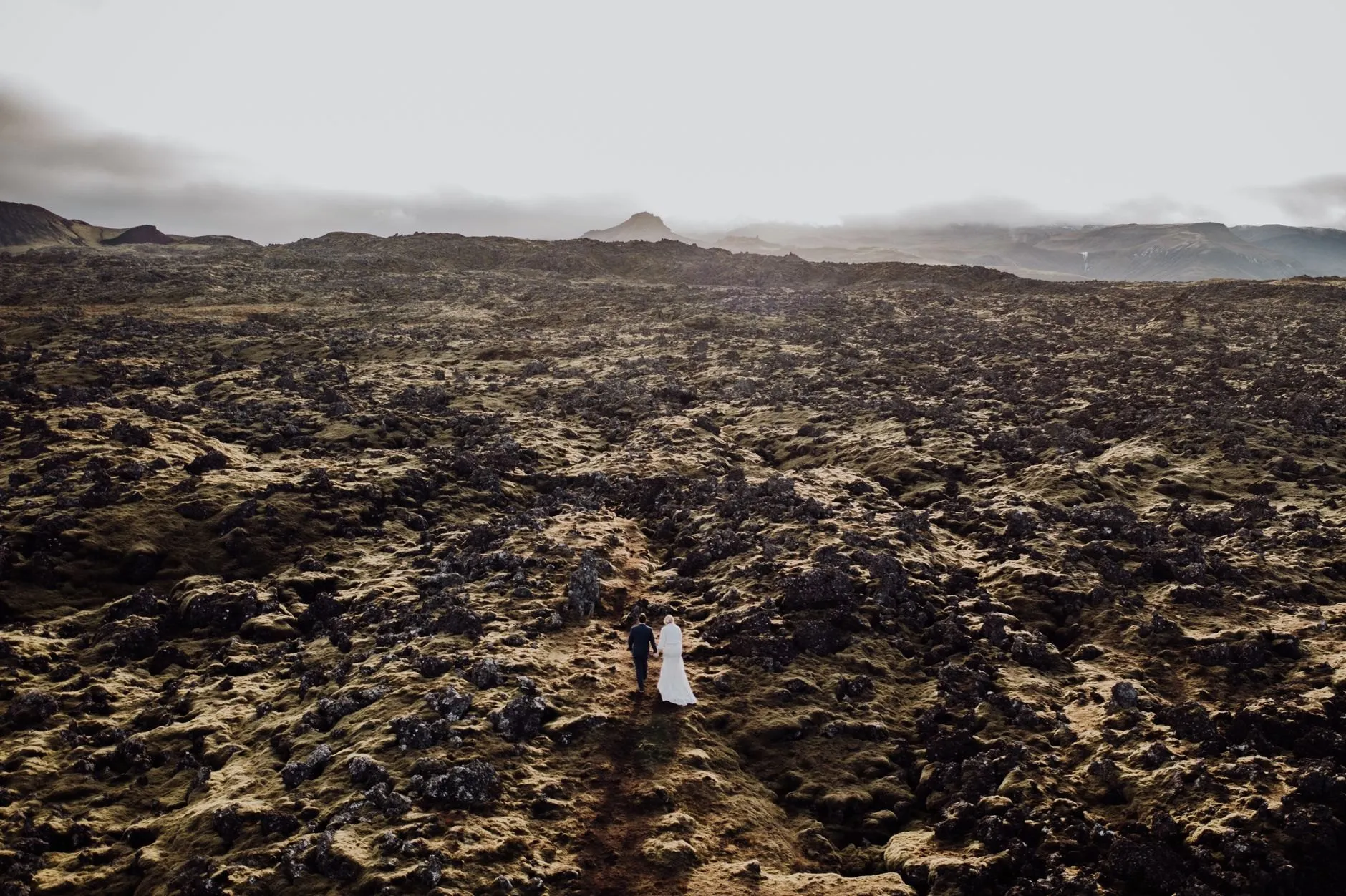
Elopement
From £1,150
Up to three hours anywhere you can walk to. Fell tops, beaches, chapels, a Tuesday morning with nobody about.
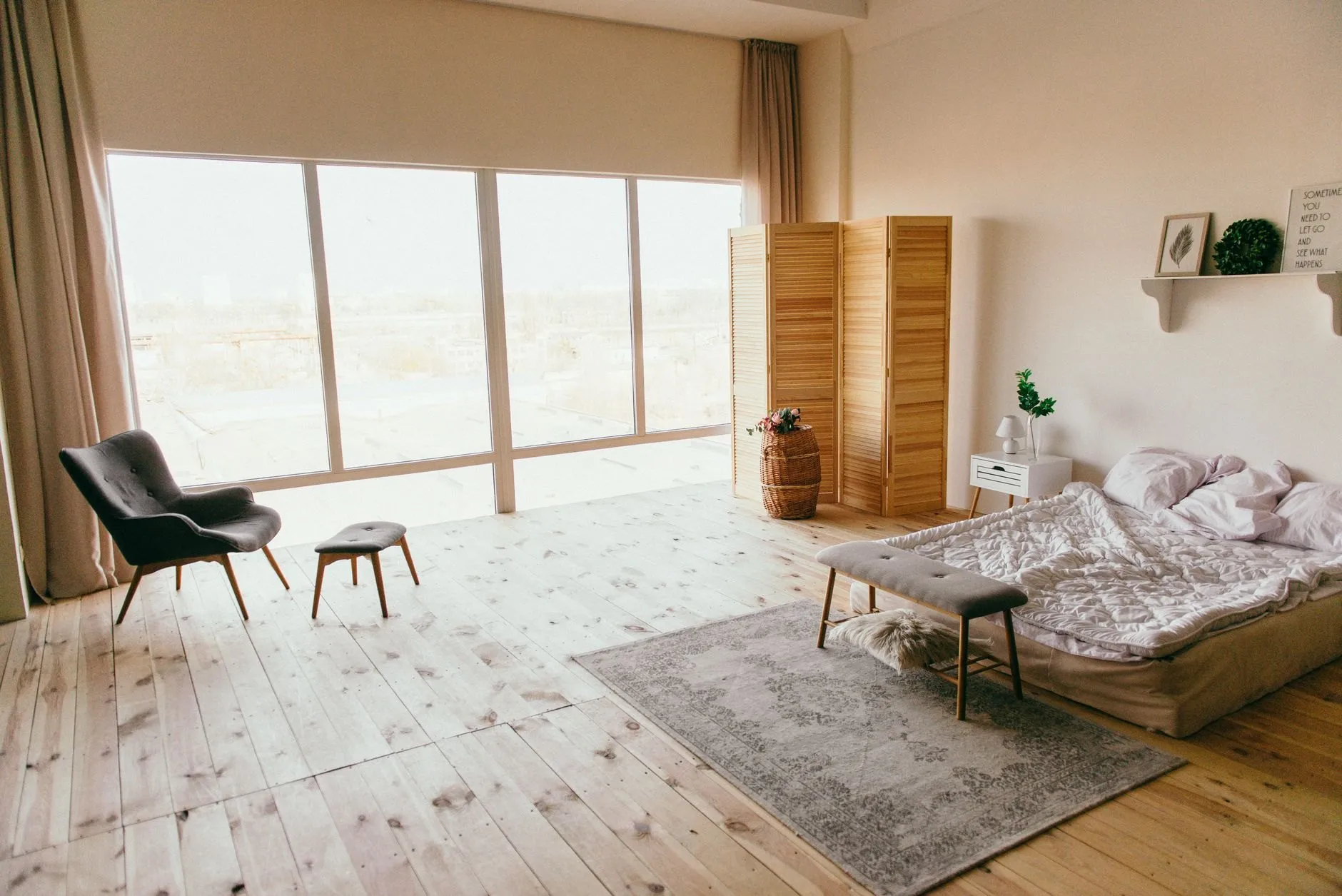
Interiors
From £480
Homes, holiday lets and small hotels, shot in natural light for magazines, listings and booking sites.

Maren Brantholm, photographer
240 weddings, and one rule: stay out of the way
I grew up on a farm above Kentmere and learned to photograph weather before people. At a wedding I work the same way: watch the light, wait, and move as little as possible.
- Years shooting
- 12
- Weddings a year
- 26
- Previews within
- 72h
From the first message to the finished album
Five stages, about a year end to end. You always know what happens next and when.
-
Check your date
Pick a day in the date check, build a package and send it. I reply within one working day.
-
Hold it
A short video call, then a 25% deposit holds the date. The balance is due four weeks before.
-
Plan the day
Six weeks out we write the timeline together: groups list, portrait spots, the rain plan.
-
The day itself
I arrive early, stay late and work quietly. Twenty previews reach you within 72 hours.
-
Gallery and album
Your full gallery in 3 to 6 weeks. Pick favourites in the proofing gallery for the album.
Check your date, then build the day.
Pick a day to see if it is free, choose a package and extras, and get the price, the number of photos and the gallery turnaround before you write a word.
November 2026
- Free
- Short slot left: half day or elopement
- Booked
- Next free Saturday
- 21 Nov 2026
- Summer 2027 Saturdays open
- 7 of 22
How the three packages compare
All three include an online gallery, full-resolution downloads and a personal print licence.
| Half day Getting ready through the speeches. Right for smaller weddings and town-hall days. | Booked most Full day From the first coffee to the first dance, with a 30-page lay-flat album included. | Elopement Up to three hours anywhere you can walk to: a fell top, a beach, a chapel. | |
|---|---|---|---|
| Hours covered | Up to 5 | Up to 10 | Up to 3 |
| Photos delivered | About 350 | About 700 | About 200 |
| Gallery turnaround | 4 weeks (5 May–Sept) | 5 weeks (6 May–Sept) | 3 weeks (4 May–Sept) |
| Lay-flat album | Add for £595 | Included | Add for £595 |
| Second photographer | Add for £450 | Add for £450 | Add for £450 |
| Price | £1,650 | £2,650 | £1,150 |
| Ask about half day | Ask about full day | Ask about elopement |
A couple's story
10hours covered
812photos delivered
5weeks to the gallery
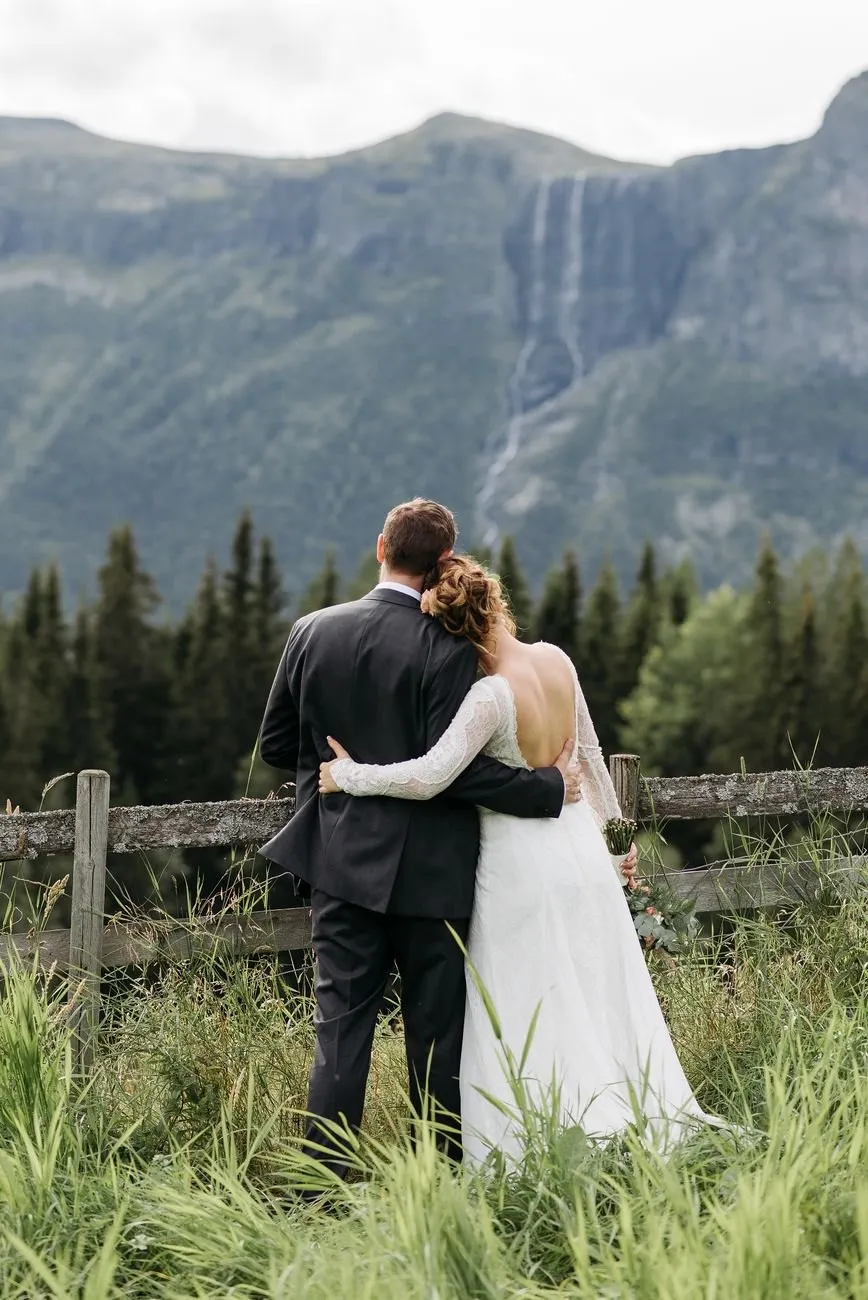
Ellie & Sam · Hemsedal, Norway, August 2026
“We changed the timeline twice and Maren rewrote it both times without a sigh. On the day it rained until five, and she still found us twenty minutes of gold light in the top field. Our parents cried at the gallery. We cried at the album.”
Ellie and Sam booked fourteen months ahead, for her family’s hill farm in Hemsedal in western Norway, with forty guests flying in from the north of England.
The forecast was bad all week. We moved the portraits from three to six, kept the family groups under the barn roof and put the clear umbrellas by the door. The rain stopped at five to six.
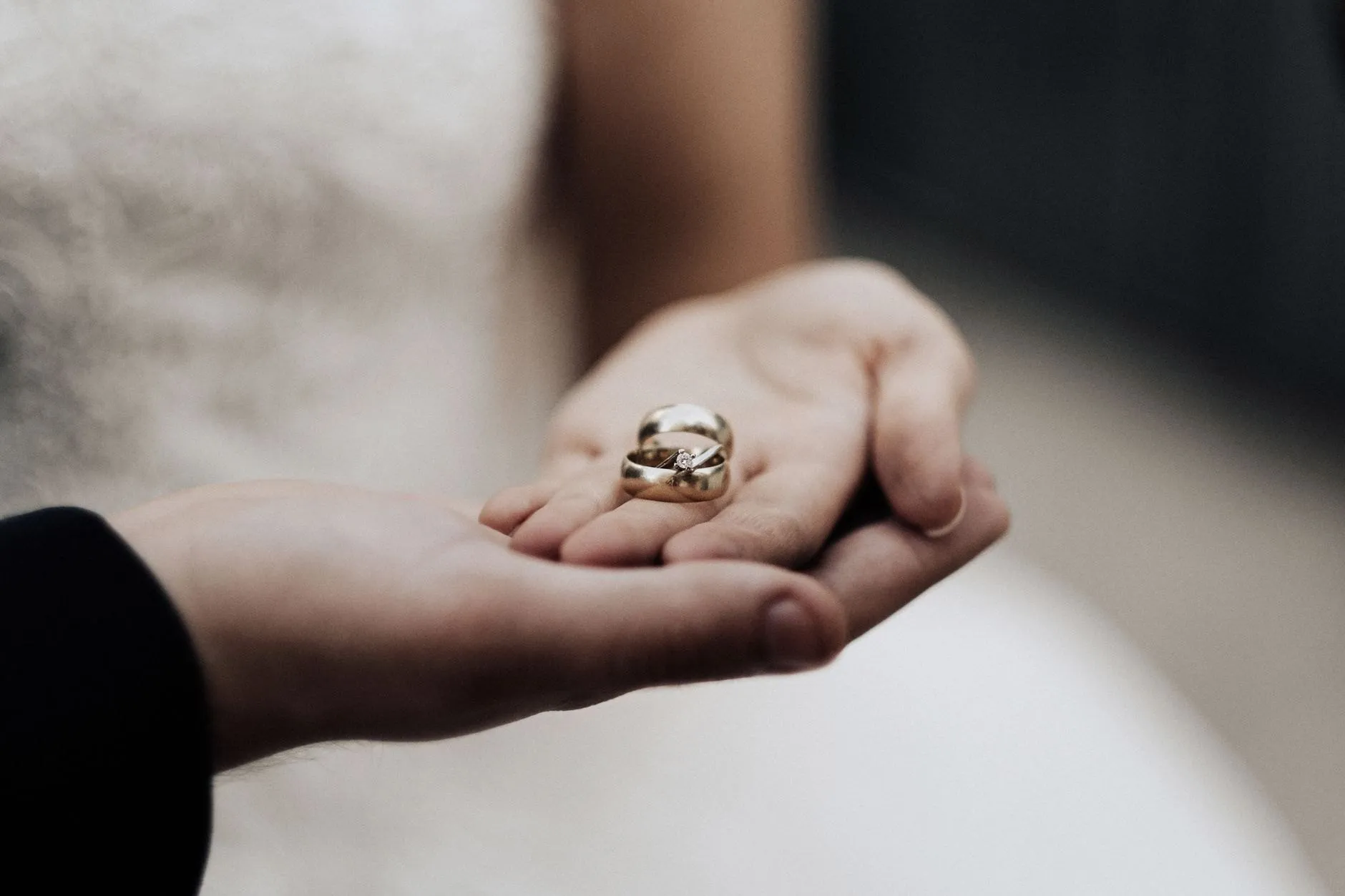
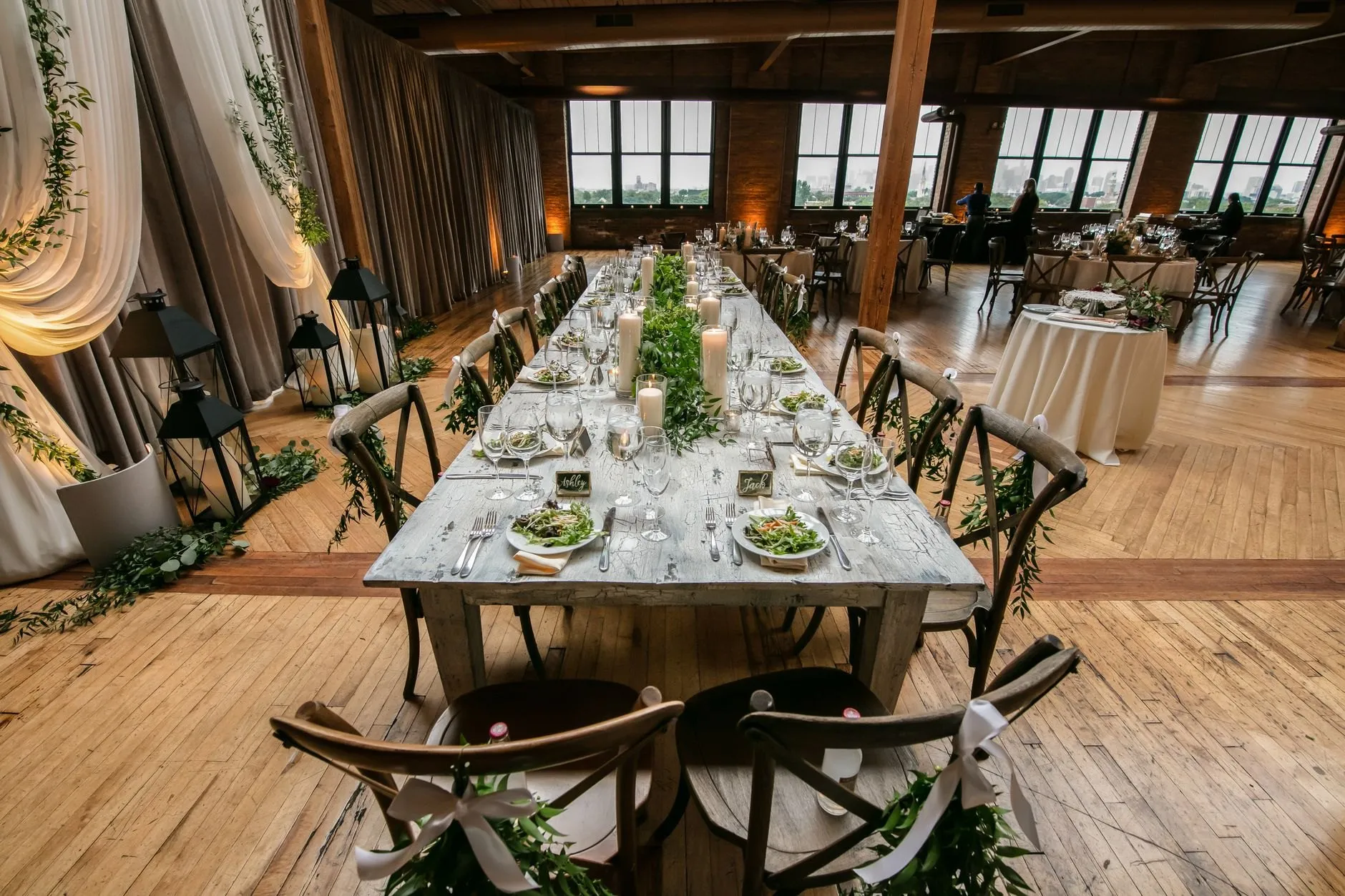
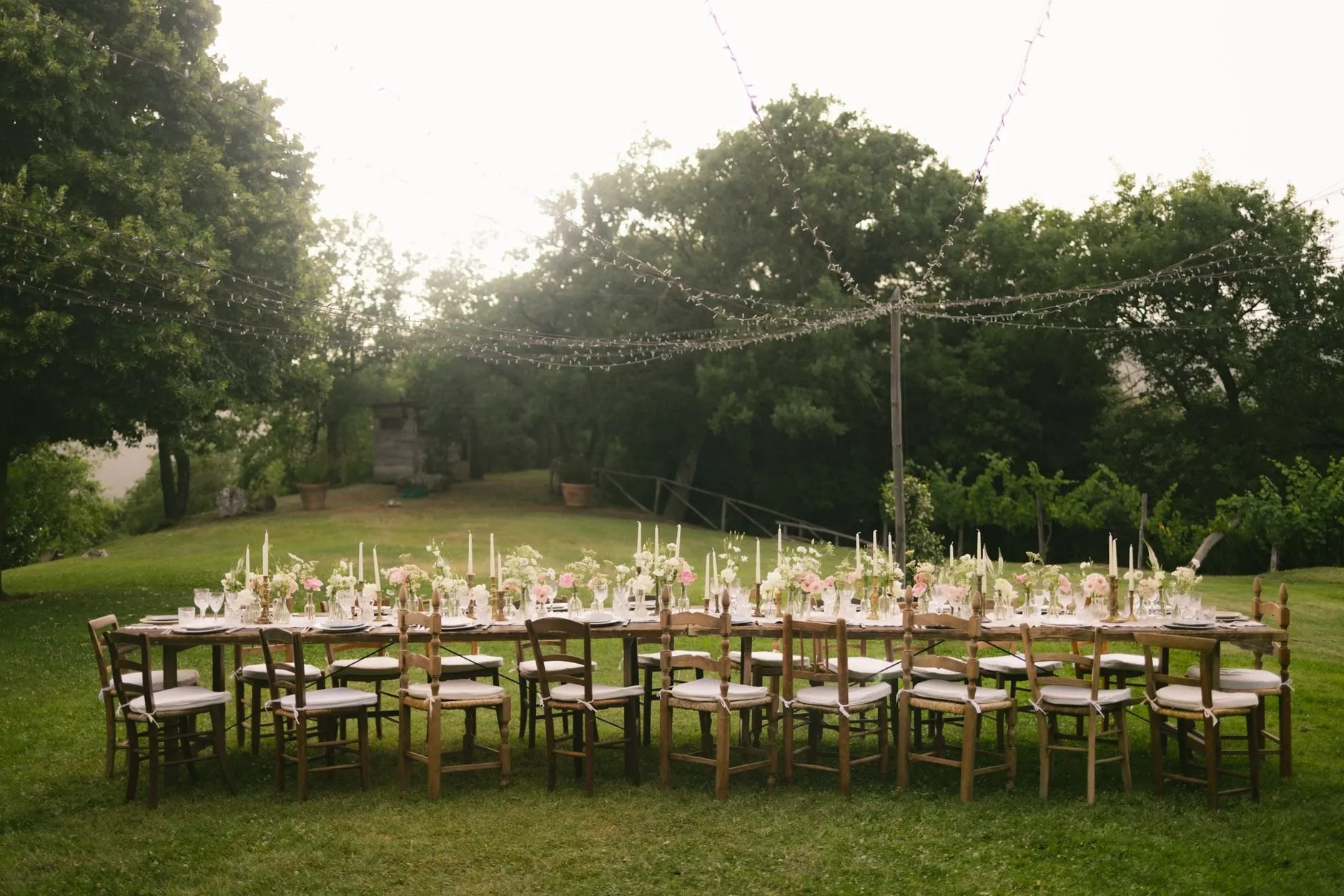
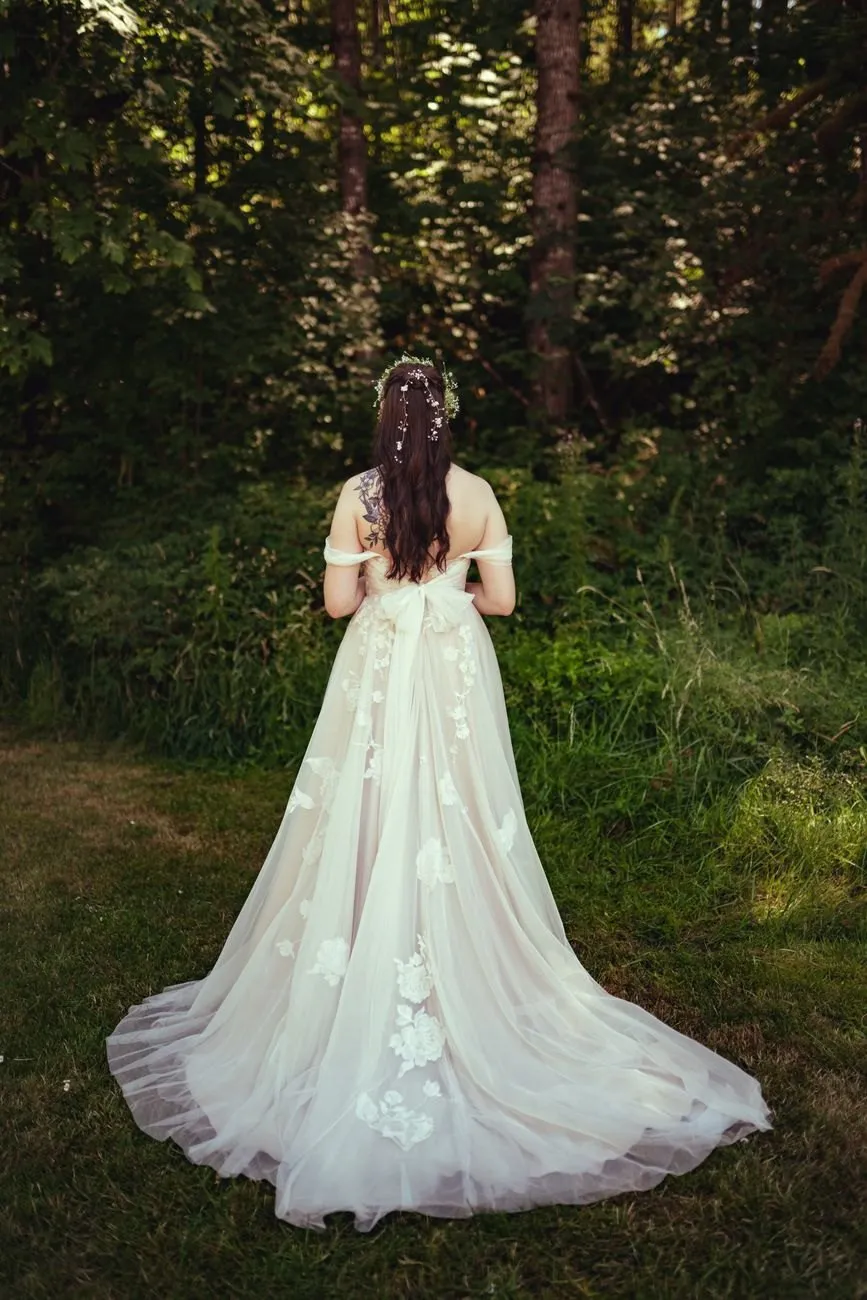
Questions couples ask on the first call
Booking
- How far ahead should we book?
- Summer Saturdays go 12 to 18 months ahead. Fridays, Sundays and midweek dates are often free with six months’ notice. The date check shows what is open right now.
- What holds our date?
- A 25% deposit and a short contract. The balance is due four weeks before the wedding. Until the deposit is paid, a held date is kept for seven days.
- Do you travel?
- Within 40 miles of Kendal travel is free. The rest of the UK is a fixed fee by zone, shown in the package builder. I also shoot two or three destination weddings a year in western Norway, plus elopements in Iceland; abroad has its own fee and flights at cost.
On the day
- Will you pose us?
- Very little. I give directions for the family groups and a few prompts during portraits; the rest of the day I stay out of the way and photograph what happens.
- What if it rains?
- We plan two covered spots with good light on the planning call, and I carry clear umbrellas. One wedding in three gets rain here and the galleries are none the worse.
- What if you are ill?
- I work with a small group of northern photographers who cover for each other. In twelve years it has happened once, and the couple had a photographer they had already met on a call.
After the wedding
- When do we get our photos?
- Elopements in three weeks, half days in four, full days in five, plus one week from May to September. You get twenty previews within 72 hours.
- How do we choose album photos?
- In your proofing gallery: tap the heart on your favourites, then send the selection. You can try a demo on the client galleries page.
- Can we print the photos ourselves?
- Yes. You get full-resolution files and a personal print licence, so any lab will print them. The gallery also has a print shop if you would rather not.